The Philosophy of Restoration: Why Infrastructure Repair Is the Key Challenge for Communities
An analysis of approaches to rebuilding Ukraine through the lens of 'broken-world thinking,' where daily maintenance and adaptation to new realities take priority.
 🧠AI Analysis
Photo: Ukrainska Pravda
Key points
- Shifting from large-scale planning to a daily repair strategy.
- Recognizing the invisible labor of utility services as the foundation of city resilience.
- Finding a balance between infrastructure restoration and environmental changes.
Restoration as Daily Labor
A modern perspective on national development demands a shift from large-scale planning to a strategy of constant repair. Instead of waiting for global projects, the focus is shifting toward supporting what already exists but is being damaged by military actions. This approach, which researcher Steven Jackson calls "broken-world thinking," takes erosion and system wear, rather than progress, as its starting point.
For the residents of Dubno, this means a paradigm shift in how urban infrastructure is perceived. Every power engineer or utility worker laboring through the night after a strike becomes a key figure ensuring the community's survival. This is invisible work that keeps the world from falling apart, and it requires recognition and systemic support, not just reactions to critical failures.
Between the Past and the Future
The debate surrounding the Kakhovka Reservoir serves as an example of the complexity of such choices. The issue is not about simply returning to the way things were, but about finding solutions that account for both human needs and the new environmental realities that emerged after the catastrophe. This is the essence of repair without nostalgia—the ability to work with what we have today.
State institutions must also change their approach, moving from firefighting to planned maintenance. Trust between the government and citizens is built not on loud promises, but on the daily, often unnoticed work that prevents crises before they emerge.
Source Ukrainska Pravda — pravda.com.ua/news/2026/11/22/8064073/ ↗
Read next
 🇺🇦Ukraine
Morocco builds giant solar plant capable of generating electricity at night
The Noor complex near the Sahara, with a capacity of 580 MW, uses thermal energy storage technologies to produce electricity after sunset.
 👥Society
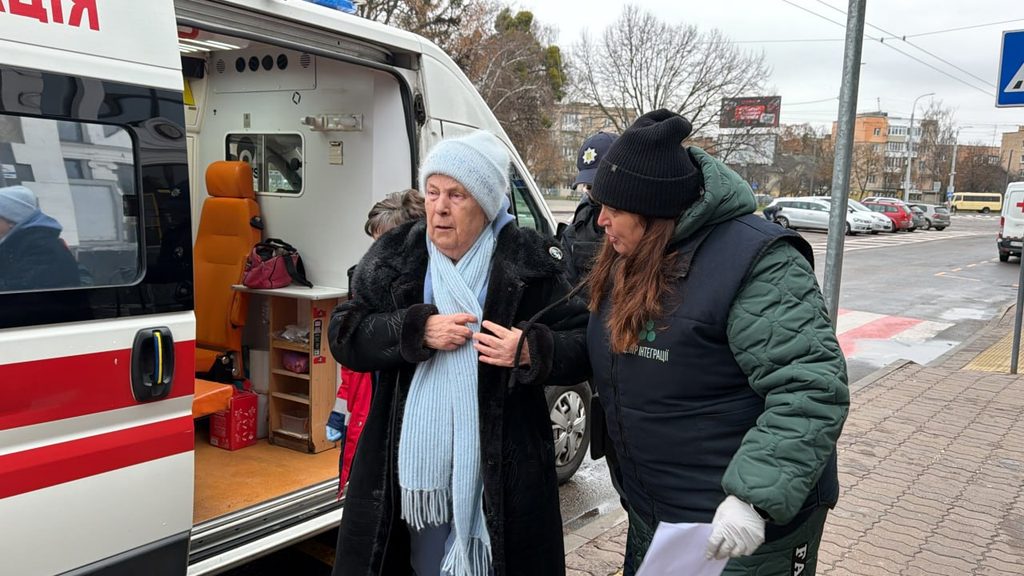
Dubno District Welcomes New Evacuees as Donetsk Region Train Arrives in Rivne Oblast
Rivne Oblast has received 19 residents from the Donetsk region via an evacuation train. The newcomers will be accommodated in the communities of the Dubno district.
🛡️SecurityDubno region welcomes a new group of evacuees from the Donetsk region
Nineteen residents from the Donetsk region arrived by an evacuation train in the Rivne region and will be accommodated in communities across the Dubno district.
 🎭Culture & Sport
Bad Weather Alert in Rivne Region: Blizzard, Icy Roads, and Strong Wind Expected on November 24
A yellow weather alert has been issued for the Rivne region on Tuesday, November 24, as meteorologists forecast blizzards, icy road conditions, and strong wind gusts acro…
 🏙️City
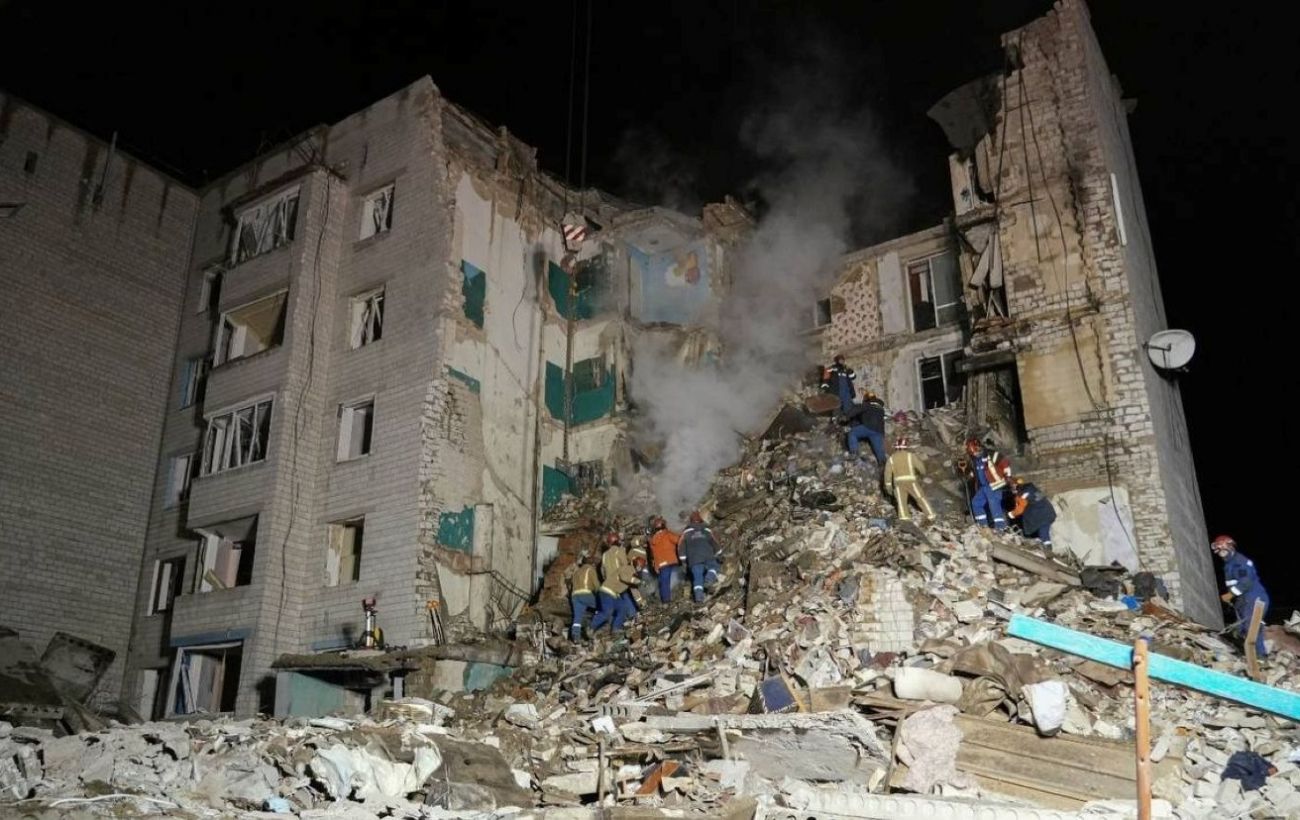
Russian Drone Attack Kills 11 in Dymer Residential Building
A drone strike destroyed a section of a five-story residential building in the Kyiv region, leaving 11 dead and two missing under the rubble.
 🇺🇦Ukraine
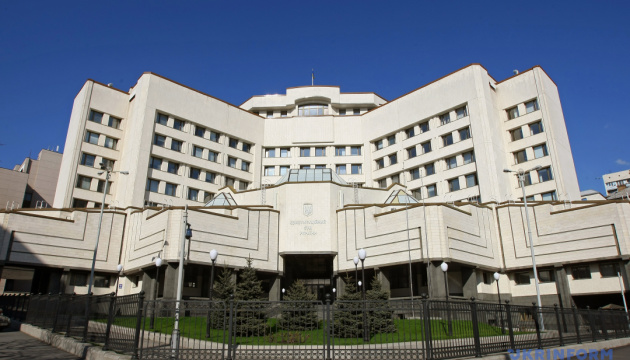
Constitutional Court of Ukraine on the Brink of Losing Quorum as Judge Count Drops to 12
The Constitutional Court of Ukraine is left with only 12 judges, creating severe procedural risks and halting the work of its senates.