History and Traditions of New Year: Why We Celebrate on January 1st
An overview of the historical origins of the January 1st date and how the calendar has evolved over the centuries.
 🎭Culture & Sport
Photo: TSN
Key points
- January 1st became the start of the year due to reforms by Caesar and Gregory XIII
- The month's name is derived from the god Janus
- Different cultures possess unique rituals to attract good fortune
New Year is a holiday that today unites most countries around the common date of January 1st. However, the path to this global standard was long and shaped by religious, astronomical, and political reforms.
From Ancient Rituals to the Gregorian Calendar
Historically, humanity linked the beginning of the year to natural cycles: the spring equinox in Babylon or the flooding of the Nile in Egypt. The tradition of celebrating on January 1st originated in Ancient Rome, where the month was dedicated to Janus, the god of transitions and new beginnings.
The final establishment of this date was made possible by two key events: the introduction of the Julian calendar by Julius Caesar and the later reform by Pope Gregory XIII in 1582. It is the Gregorian calendar that became the foundation for modern civil timekeeping.
Global New Year Traditions
- Spain: eating 12 grapes at the stroke of midnight to bring good luck.
- Italy: eating lentils, which symbolize financial prosperity.
- Japan: ringing bells 108 times to cleanse the soul of human passions.
- Scotland: the 'first-footing' tradition, where the first guest to enter a home after midnight determines the household's luck for the year.
Source TSN — tsn.ua/tsikavinki/koly-sviatkuiut-novyy-rik-chomu-data-prypadaye-na-1-s… ↗
Read next
 🇺🇦Ukraine
European Commission focuses on multilateral talks regarding European security
The European Commission has confirmed receiving an invitation from Russia but maintains that any future negotiations must occur within a multilateral framework.
 🏛️Politics
SAP prosecutor praises NABU media team amid debates over evidence quality
SAP prosecutor Rostyslav Batih commented on criticisms regarding the media activity of anti-corruption bodies, focusing on the professionalism of NABU's video editors.
 🏛️Politics
NATO Rejects Russia's Demand to Return to 1997 Borders: Rutte's Stance
Secretary General Mark Rutte dismissed Moscow's proposal to roll back NATO's presence as 'unacceptable' for European security.
 🛡️Security
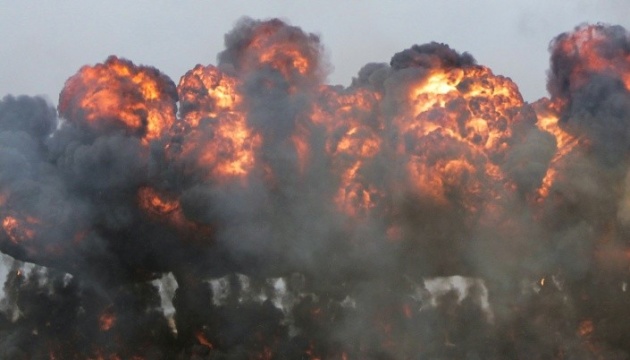
Drone attack hits Lukoil oil refinery in Perm
A large-scale fire broke out at a major Russian oil refinery in Perm following a drone strike.
 🩺Health
Sarny region to launch 'Healing Forest' psychological support initiative for young children
The Sarny territorial community has been selected among ten Ukrainian regions to implement the 'Healing Forest' project. The initiative aims to build psychological resili…
 💼Economy
Optimizing Household Budgets: How Banking Tools Help Save Money Daily
An overview of how debit cards and partner programs can help residents reduce daily expenses through cashback and discounts.